Compassionate, individualized behavior support.
Our ABA program is led by board-certified behavior analysts and delivered by registered behavior technicians, using applied behavior analysis to build communication, social, and daily-living skills at each child's pace.
MTG's ABA program now serves preschool-aged children in select area preschools, and we're accepting a limited number of new clients. We're not currently offering ABA in our clinic, and we're not accepting school-aged children for ABA in any setting — reach out and we'll help you find the right fit, including our speech and occupational therapy services.
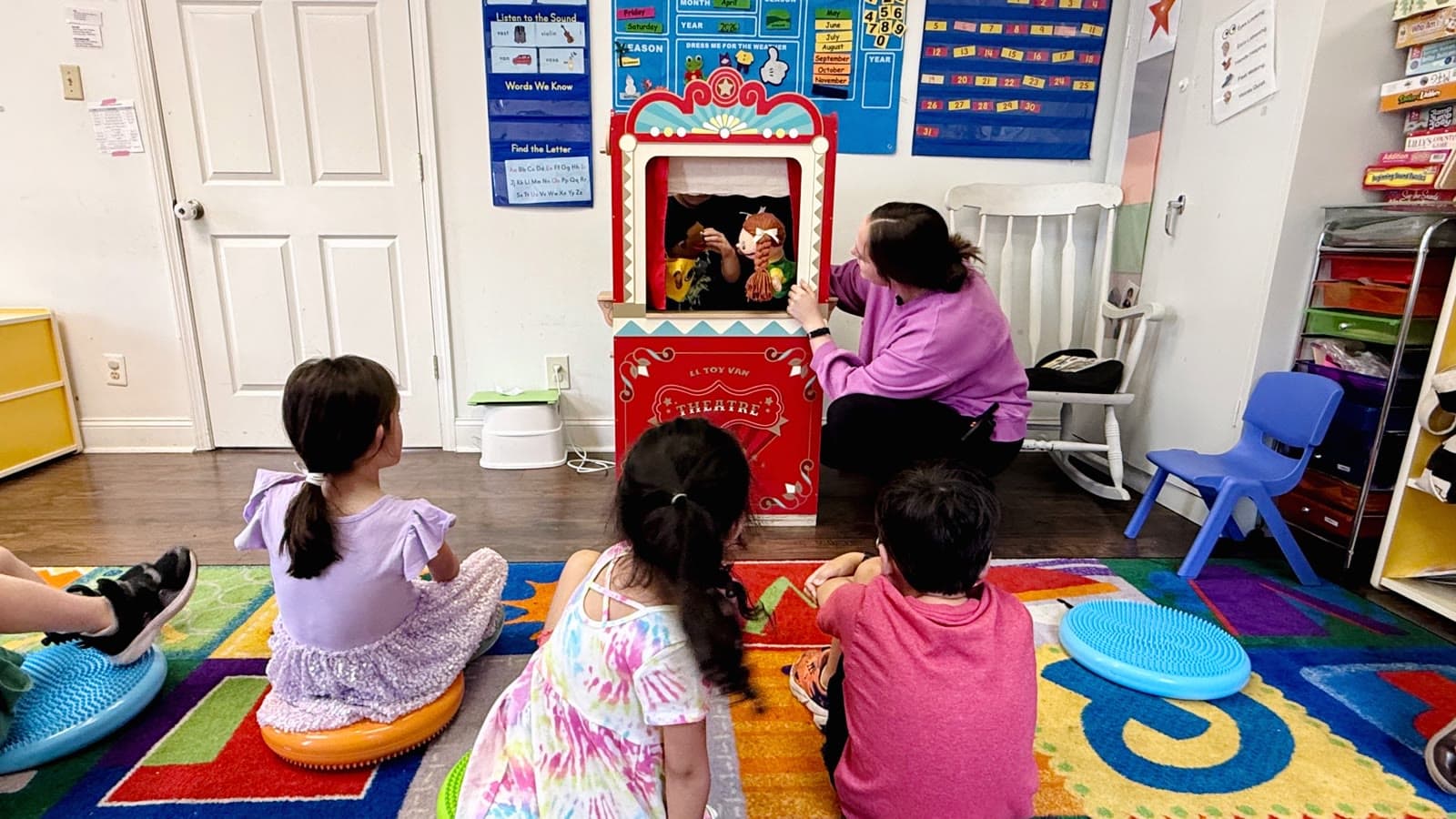
What we help with
- Behavioral Skills
- Social Skills
- Communication
- Adaptive Skills
- Attention
- Imitation Skills
- Play Skills
- Cognition
- Autism Spectrum Disorder Traits
Credentials & training
All members of our supervising team are Board Certified Behavior Analysts (BCBA) and licensed in Tennessee (LBA-TN). Our therapists are trained in Skills-Based Treatment (SBT), picture communication systems, PEAK programming, and the Accept Identify Move (AIM) curriculum, and specialize in Autism Spectrum Disorder.
Meet the team
Behavior Analysts — Supervising Team
All Board Certified Behavior Analysts (BCBA), licensed in Tennessee (LBA-TN).
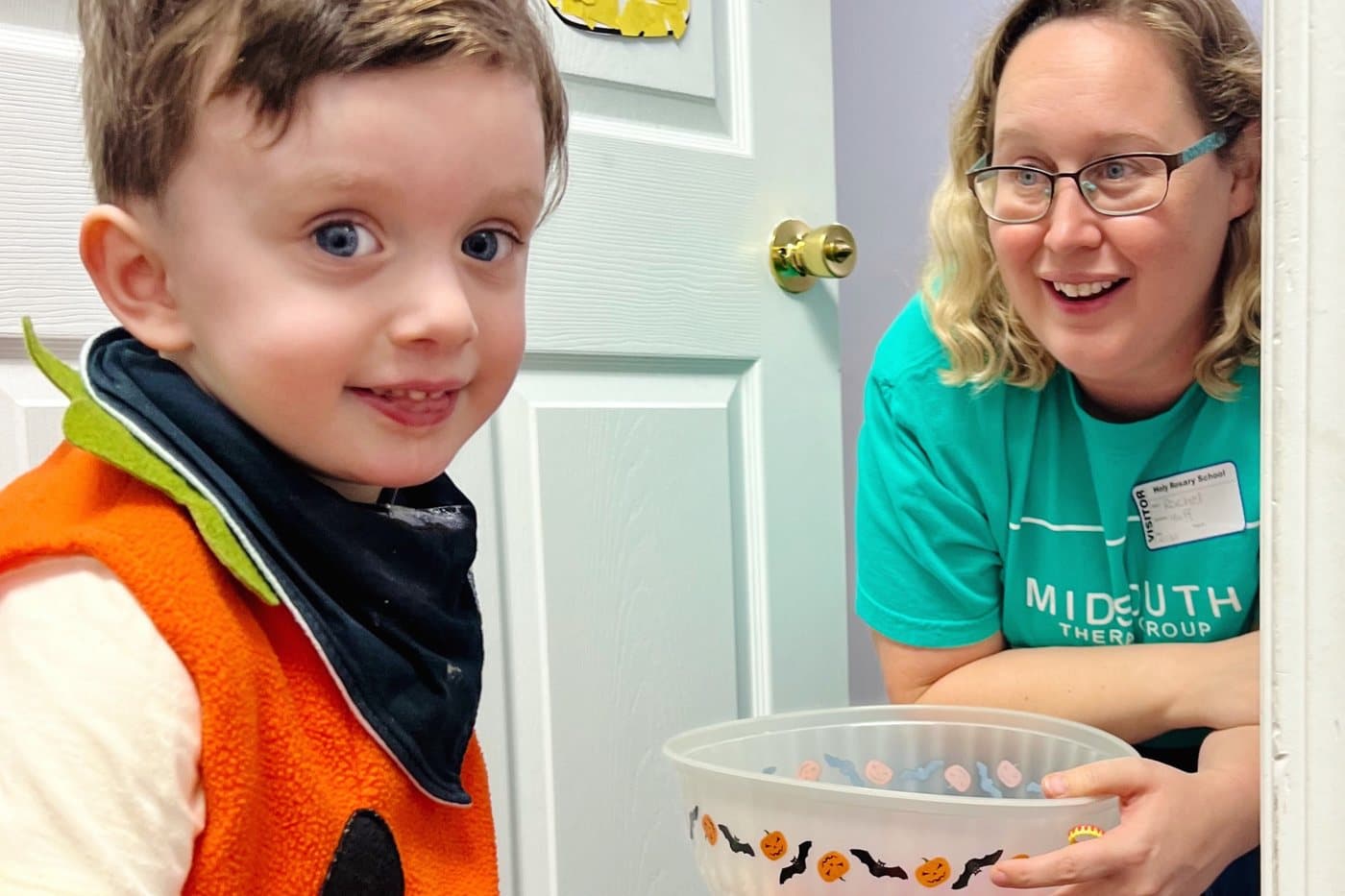
- Rachel JoynerFounderBCBA, LBA-TN
- Trudy BrewerBCBA, LBA-TN
- Aracelia MathisBCBA, LBA-TN
- Jamie GrandiBCBA, LBA-TN
Behavior Technicians
Registered Behavior Technicians (RBT) delivering day-to-day ABA care.

- Amanda BennerRBT
- Amanda SimpsonRBT
- Avery EastRBT
- Kae HurleyRBT
- Samantha HayesRBT
Frequently asked questions
- Is Midsouth Therapy Group accepting new ABA clients?
- We're accepting a limited number of preschool-aged children for ABA, delivered in select area preschools. We're not currently offering ABA in our clinic, and we're not accepting school-aged children for ABA in any setting. Reach out and we'll help you understand whether it's a fit — or ask about our speech and occupational therapy services, which are open to new families.
- What is ABA therapy?
- Applied behavior analysis (ABA) is an evidence-based approach that builds communication, social, play, and daily-living skills, most often for children with autism and related developmental needs. It's delivered by registered behavior technicians under the supervision of board-certified behavior analysts.
- What does your ABA program focus on?
- Our ABA targets behavioral skills, social skills, communication, adaptive and play skills, attention, imitation, and cognition, using compassionate, individualized programming led by BCBAs.
- Where does your ABA program take place, and who is eligible right now?
- Our ABA services are provided in select area preschools, for preschool-aged children who can be seen in that setting. We're not currently offering ABA in our clinic or serving school-aged children in any setting. If that sounds like your child, reach out about our limited waitlist and we'll help you find the right fit.
From our team
What Is ABA Therapy? An Evidence-Based Guide for Parents
What ABA therapy is, how it works, and what the evidence actually says — explained in plain language by a board-certified behavior analyst.
Read more →Early Signs of Autism in Toddlers: A Parent's Guide
The early signs of autism parents most often notice in toddlers — what they mean, what they don't, and the steps to take if you're wondering.
Read more →Autism vs. ADHD: How to Tell the Difference
Autism and ADHD overlap and can look alike in young kids. The key differences, why they're often confused, and the steps to take.
Read more →What Is Stimming? Understanding Self-Stimulatory Behavior
Hand-flapping, rocking, repeating sounds — stimming is self-regulation, not something to simply stop. What it is and when it actually matters.
Read more →Autistic Meltdowns: What They Are, What Triggers Them, and How to Help
A meltdown is a response to overwhelm, not a bid for attention. What an autistic meltdown is, how it differs from a tantrum, what triggers it, and how to help.
Read more →Positive Reinforcement for Kids: What It Is & How to Use It
Used well, positive reinforcement builds the behaviors you want to see. A BCBA explains what it is, what it isn't, and how to do it right.
Read more →Toddler Tantrums: Why They Happen and How to Respond
Tantrums are normal toddler development — but they're exhausting. Why they happen and calm, effective ways to respond.
Read more →Autism and Sleep: Why It's Hard and How to Help
Sleep struggles are common for autistic kids — and exhausting for families. Why they happen and practical strategies that help.
Read more →Visual Schedules: How They Help Kids (and How to Make One)
A visual schedule turns an unpredictable day into something a child can see and trust — easing transitions, anxiety, and meltdowns.
Read more →First-Then Boards: A Simple Tool for Cooperation and Transitions
“First we do this, then we do that.” A first-then board makes expectations clear and transitions easier — here's how to use one well.
Read more →Do Reward Charts Work? How to Use Them Well
Sticker charts work — when they're set up right. A BCBA's guide to using reward charts effectively, plus the mistakes that make them flop.
Read more →Social Stories: How They Help Kids Navigate Tricky Situations
A social story is a short, personalized story that prepares a child for a new or tricky situation — reducing anxiety and teaching what to expect.
Read more →
Think aba therapy might help your child?
Start with a short referral. Our team will reach out to schedule the evaluation and answer your questions.
Ready to take the next step?
Tell us about your child today. We’ll take it from there.